
Home / Case studies / Vector
Case study · Threat intelligenceHow KATO Vector turns a wall of disconnected feeds into a single, analysis-ready view of the threat landscape - illustrating the architecture, not a specific deployment.
The 3am problem
A new command-and-control domain surfaces on a dark web forum. A matching indicator lands in a vendor feed six hours later. An internal honeypot logs the same beacon signature the next morning. A CVE tied to the same actor's tooling gets published a day after that.
Individually, each is a footnote - one of thousands crossing an analyst's desk every week, in a different format, in a different tool, with no idea the others exist. Together, timestamped and correlated, they're an active campaign.
The only difference between "a footnote" and "an active campaign" is whether someone connects the dots before it matters. Today, that connection lives in an analyst's head, across a dozen open tabs. KATO Vector makes the connection the moment the second signal lands - not whenever a human gets around to it.
Dark web forum post references a new C2 domain. Filed as low-confidence chatter.
A vendor threat feed lists that same domain against a known ransomware affiliate.
An internal honeypot logs an identical beacon signature.
A CVE tied to the same actor's tooling is published - the picture is now unmissable, if anyone's looking at all four signals at once.
How it comes together
Why it matters
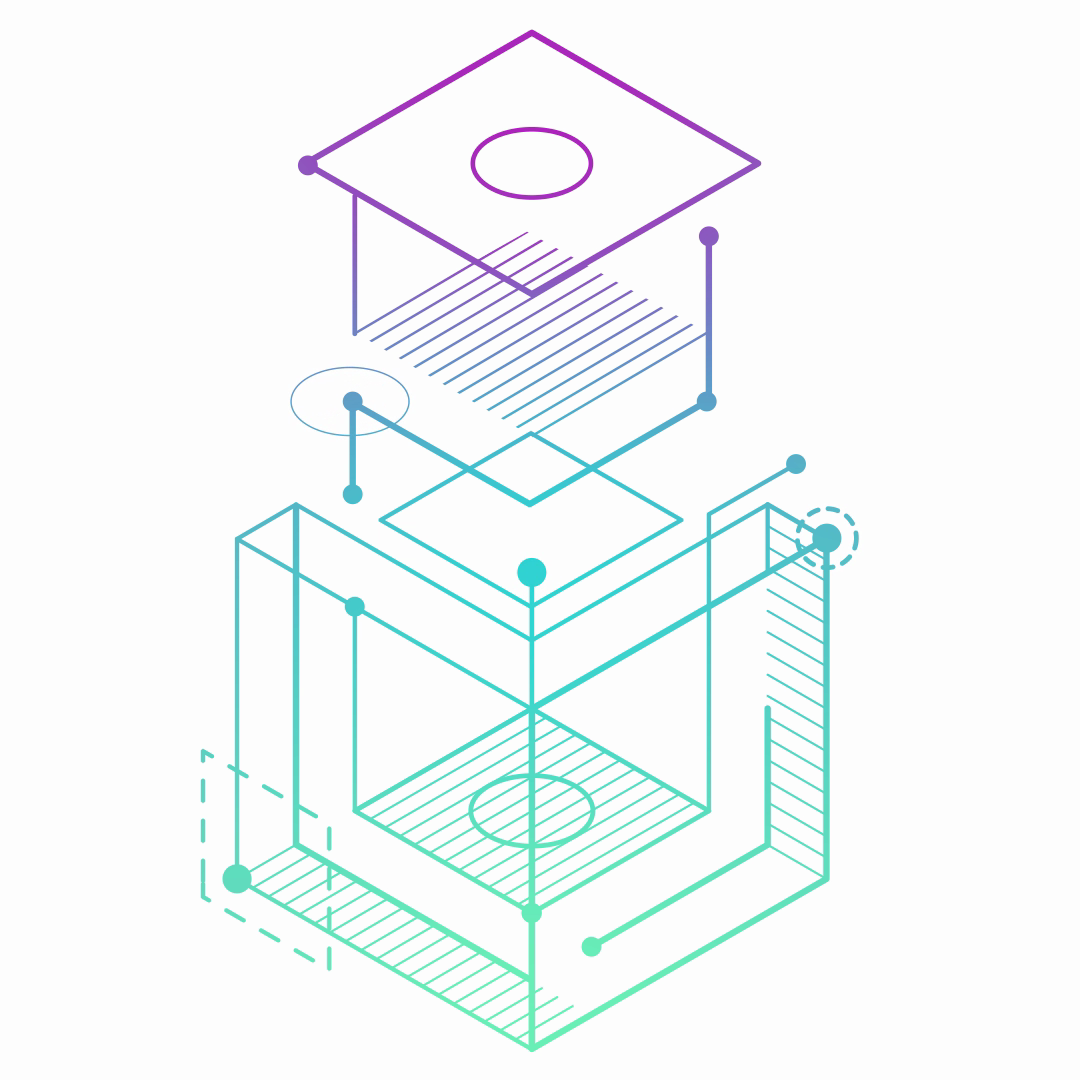
One normalised record per entity - IP, domain, actor, TTP - no matter which of the hundreds of feeds it came from.
Signals are linked the moment they match, not whenever an analyst happens to notice the pattern buried across a dozen tools.
Analysts spend their time deciding what to do about a threat, not assembling the evidence that it exists.
Turn hundreds of disconnected signals into one decision you can act on - before the window closes.The KATO Vector approach to threat intelligence